
LangSmith Engine
Your proactive agent engineer
LangSmith Engine finds agent issues, writes prompt and code fixes, and continuously monitors for regressions.








.svg)





Three ways to build,
from full harness to full control
Each package solves a different problem. Choose whereyou want to start, then compose the rest ofthestack around it.
Automatically detect agent issues
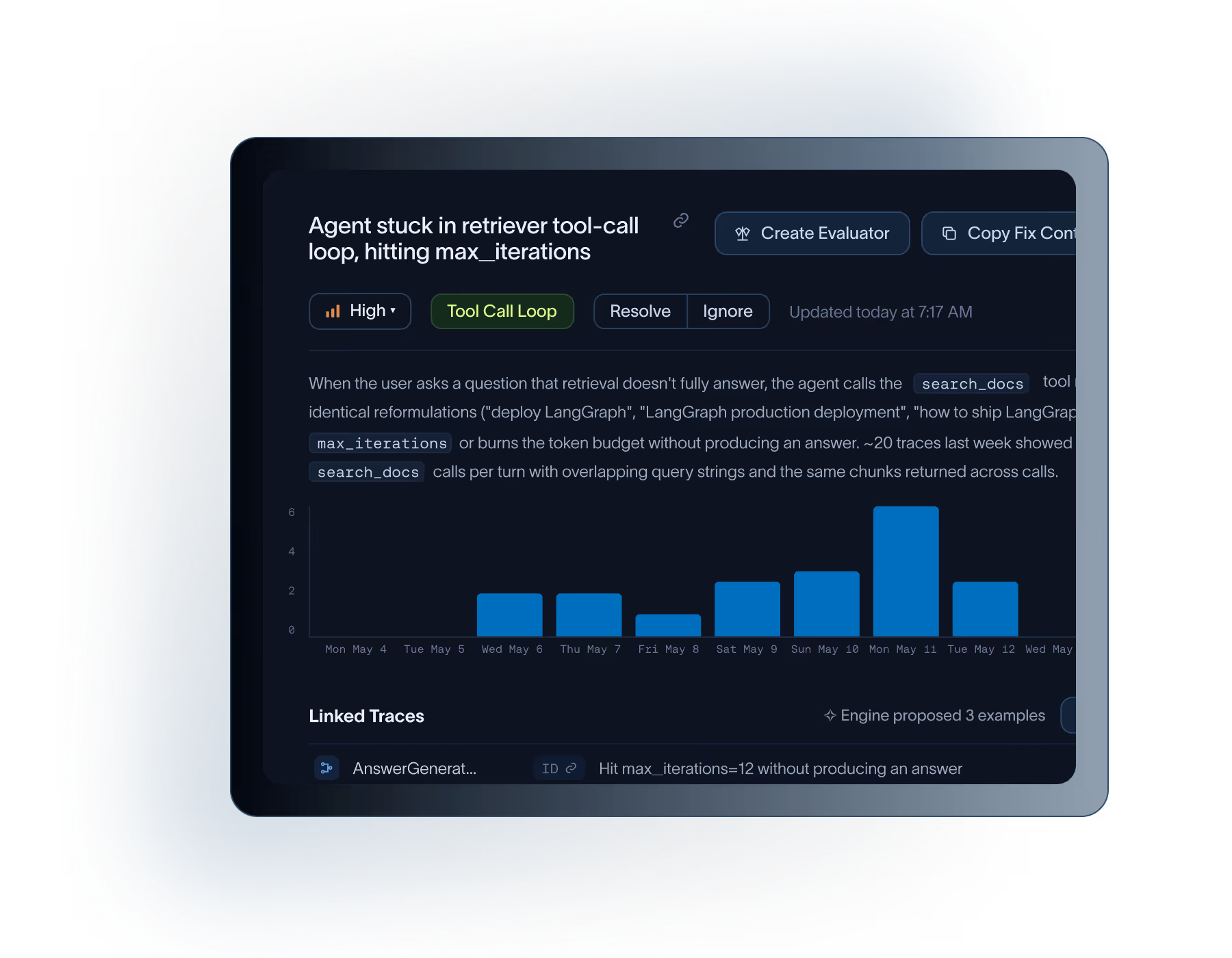
Engine analyzes LangSmith traces for failures, and red-teams your agent to find issues that haven’t appeared in production yet. Every issue is tracked in a single queue and sorted by severity, with evidence from your traces to validate bad behavior.
Engine can:
- Identify and cluster issues with your agents from production traces
- Prioritize issues based on severity and your preferences
- Red team your agent to find issues before they hit production
Review, approve, and ship fixes fast
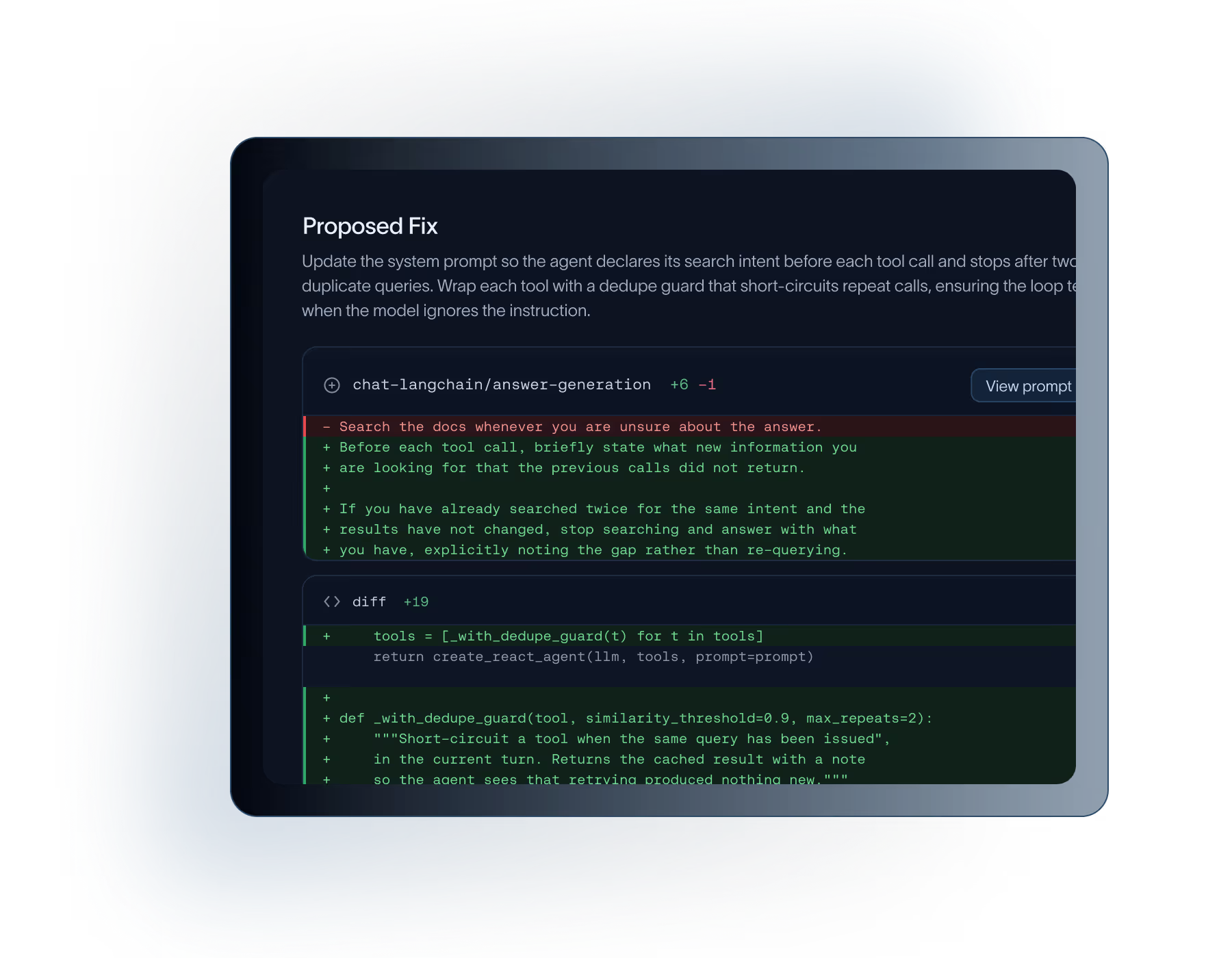
For each issue, Engine summarizes the failure mode, writes the prompt or code fix, and confirms that it works without introducing regressions. If you connect your codebase, Engine can open a GitHub PR with the proposed change, ready for your team to review and merge.
Engine can:
- Write prompt and code changes based on production failures
- Validate its fixes against your agent
- Open GitHub PRs for review
Prevent issues from coming back
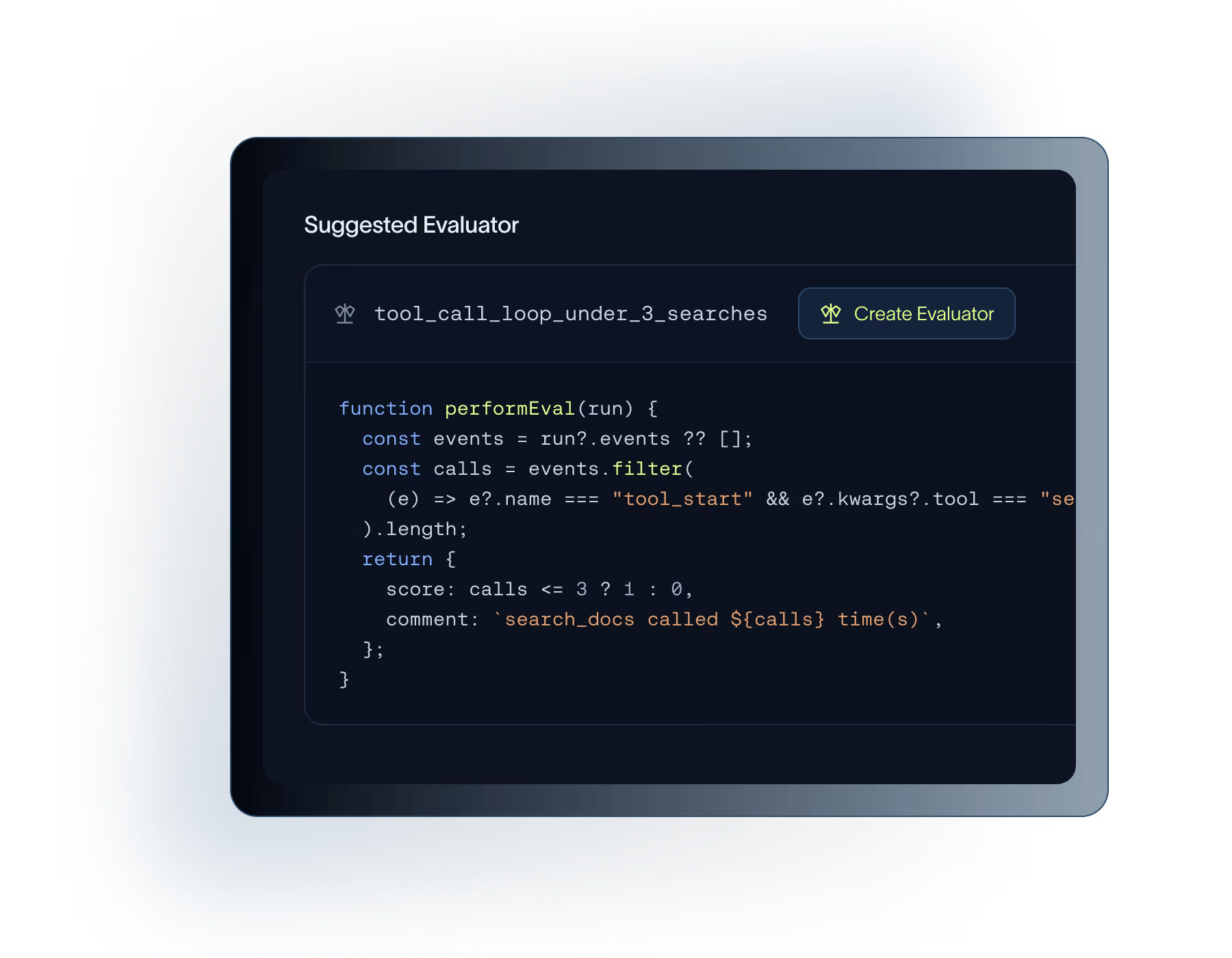
Engine stays on guard even after an issue is resolved. It automatically monitors your agent for issue recurrences, and surfaces dataset examples for your offline evals.
Engine can:
- Monitor for regressions of previously-resolved issues
- Reopen recurring issues for engineering review
- Recommend production examples for evaluation datasets



FAQs for LangSmith Engine
All model providers operate under zero data retention and are contractually prohibited from training or fine-tuning on your data.
LangSmith Engine is a standalone agent that consumes LangChain Standard Units while it works. LSUs are a normalized unit of work that account for compute, storage, memory, and LLM usage.
Usage depends on the number of traces Engine analyzes, the depth of analysis required, and the amount of work it performs. To learn more about pricing, visit our pricing page.