The open source stack for building agents
Start with proven agent patterns when speed matters and drop down to lower-level primitives when you need more control.


.svg)


Trusted by the largest builder community in AI
Pick your level of abstraction
Use Deep Agents for a production-ready harness, LangChain for framework primitives, and LangGraph for custom workflows with full control. You can move between them as your agent needs change.
Build agents for complex, mission critical work
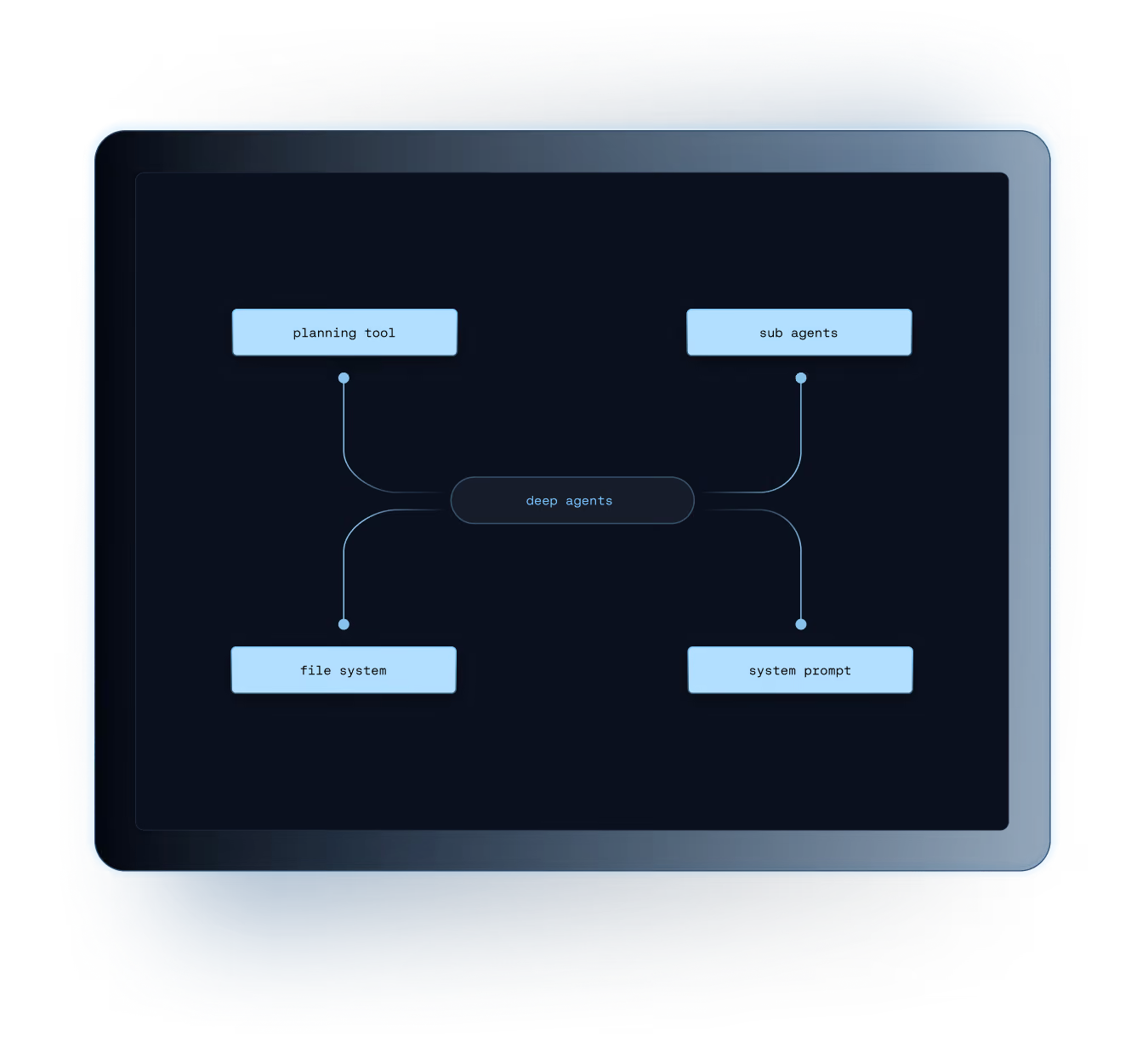
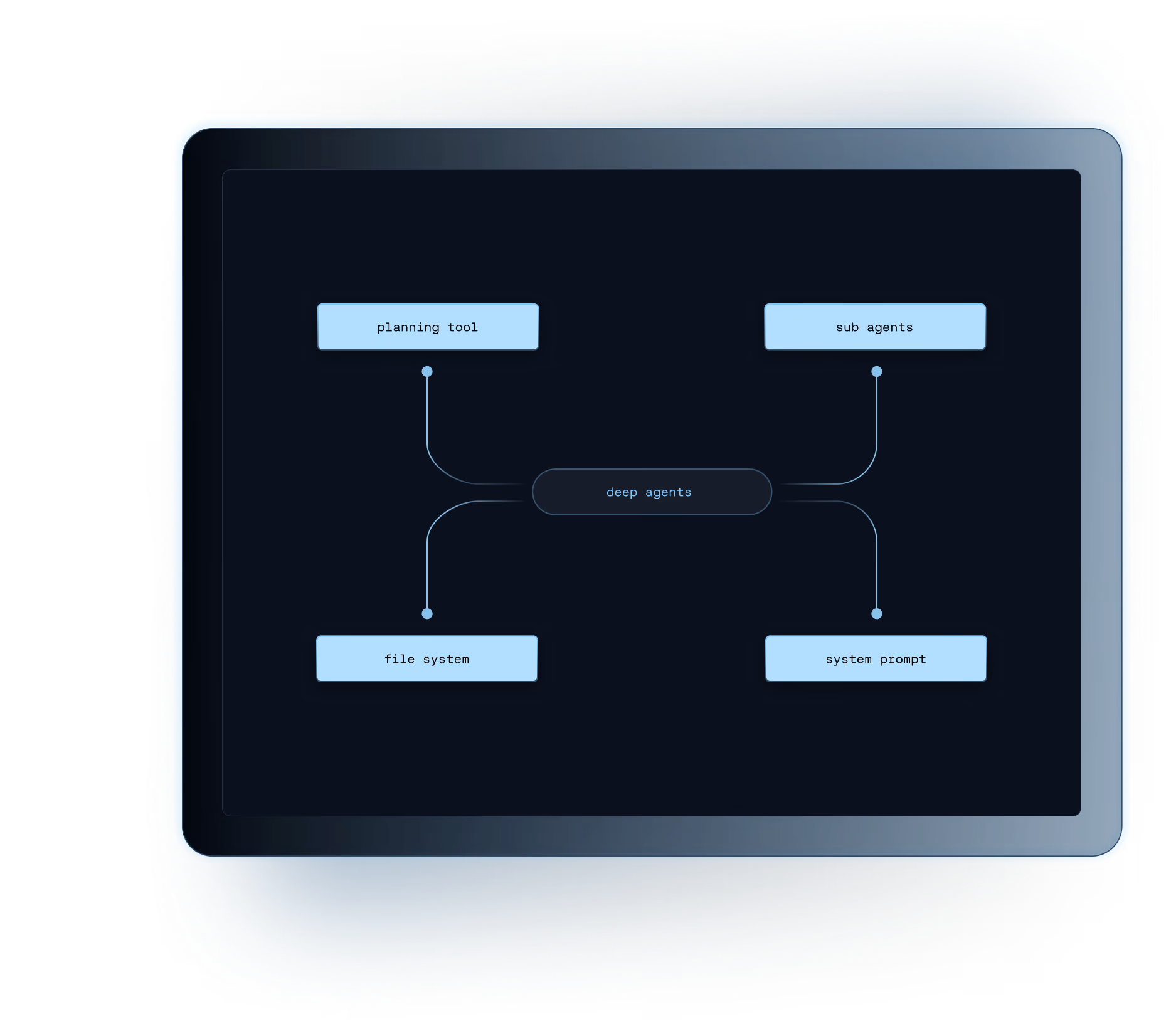
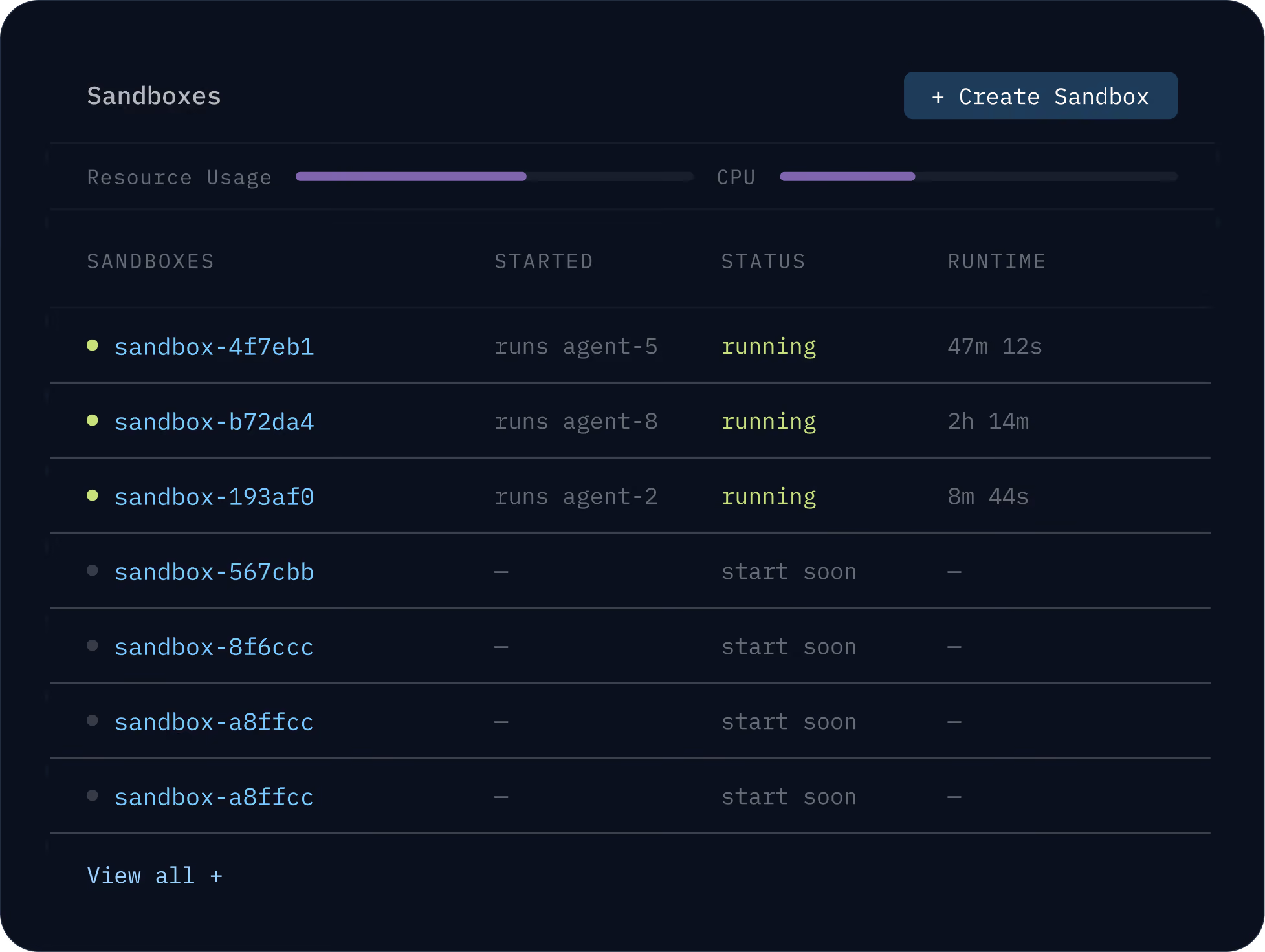
Deep Agents gives you a production-ready harness for building LLM-powered agents and applications. Deep Agents ships with built-in context management and abstractions for subagents, long term memory, and skills. Deep Agents are built to run reliably for long-running, large context tasks.
Use Deep Agents when you need to:
- Give agents memory, tools, skills, and filesystem access
- Delegate work to subagents with isolated context
- Manage long context without building summarization and offloading yourself
- Customize a powerful base harness without starting from scratch
Build your harness with framework primitives
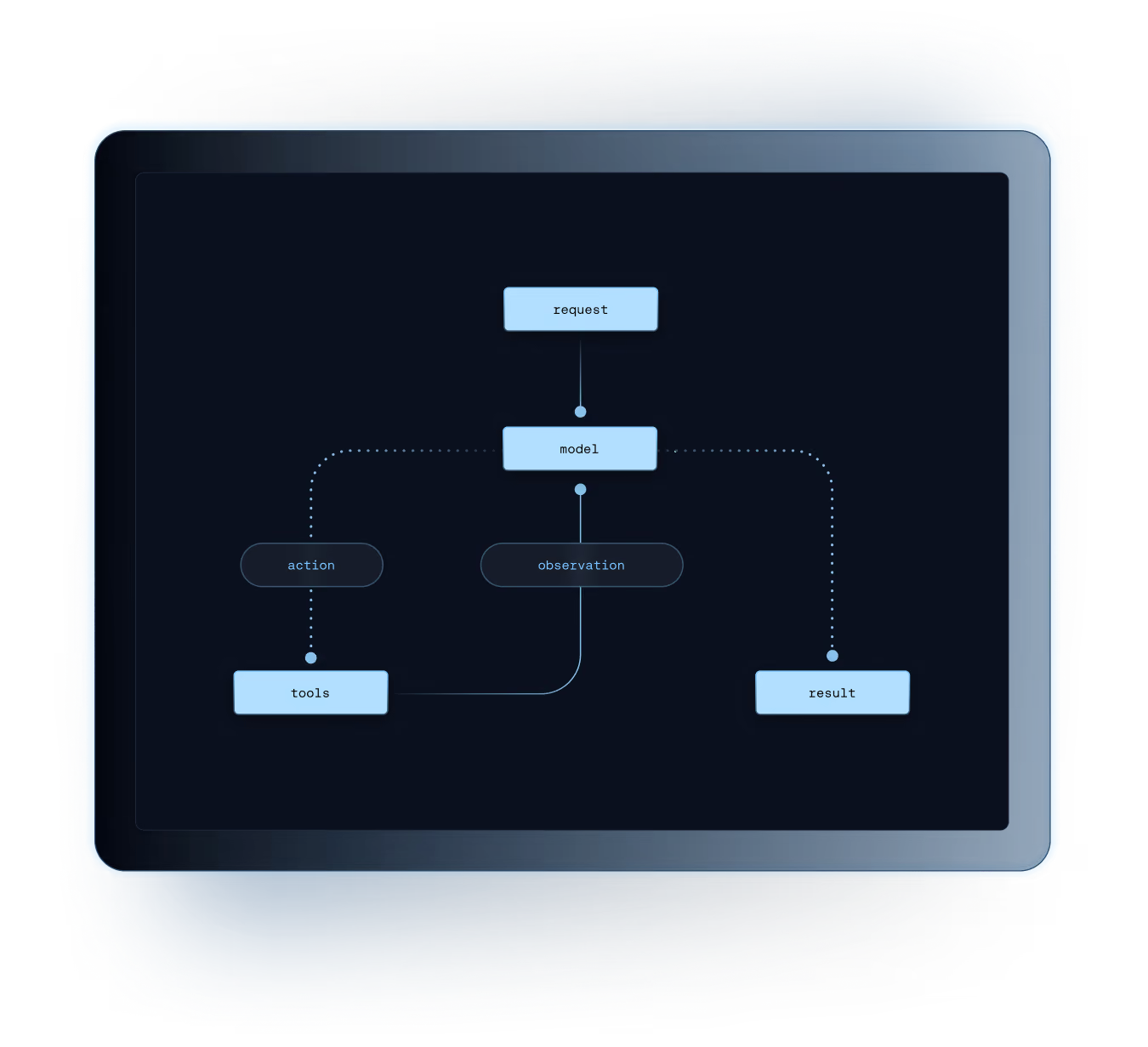
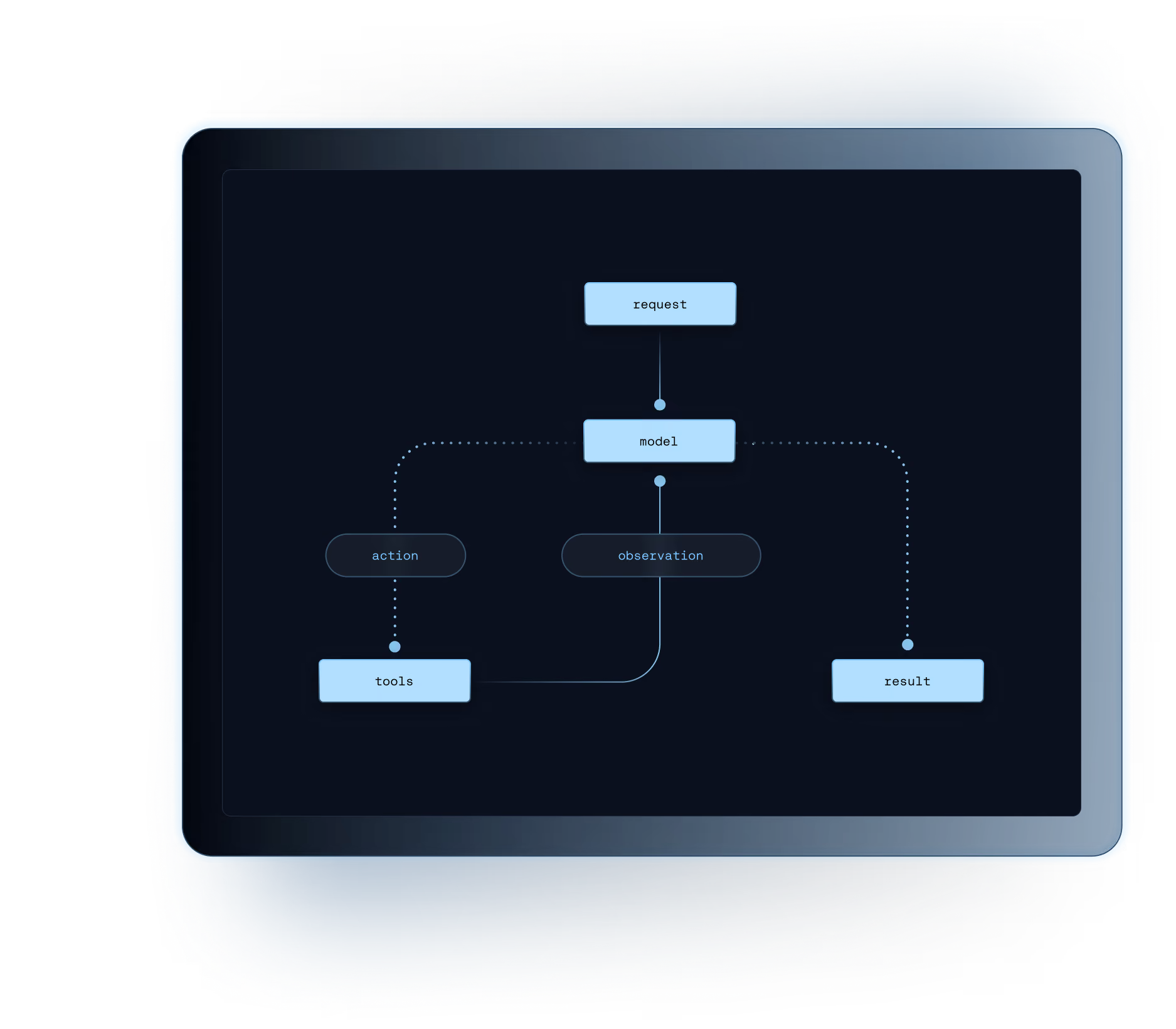
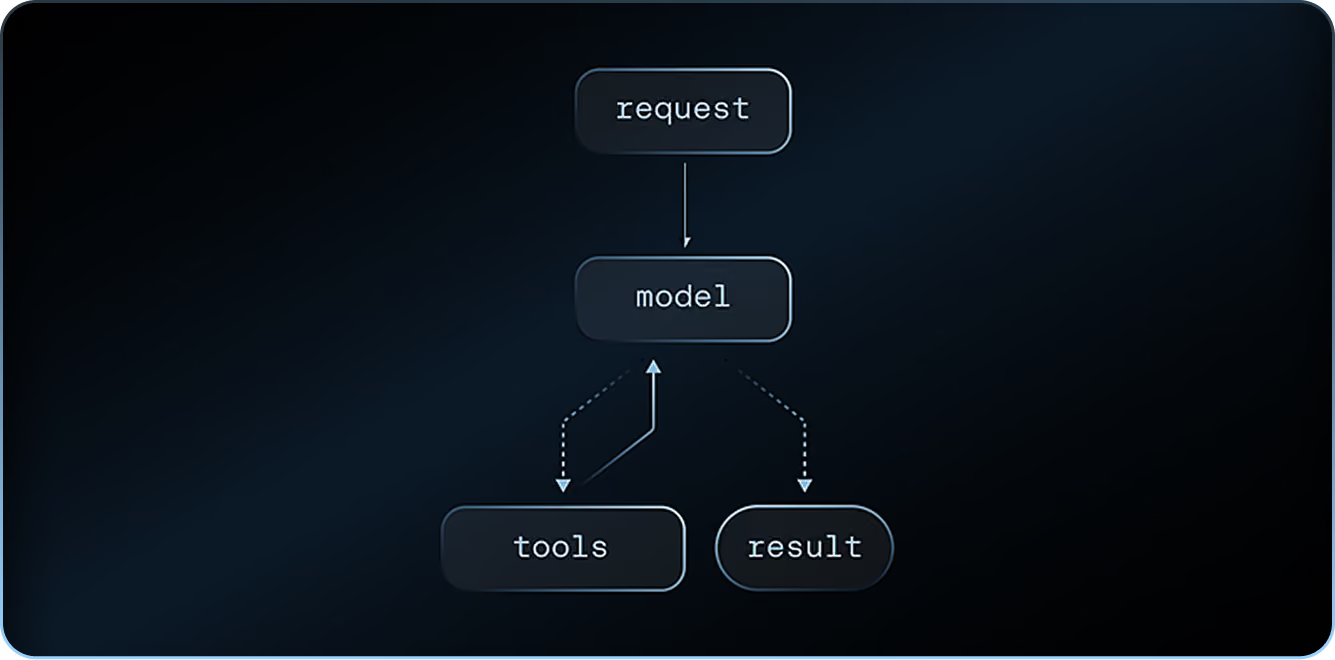
LangChain is the framework for building agents. It provides create_agent, a core agent loop built on LangGraph, plus the building blocks for models, inference providers, tools, messages, MCP, and middleware. Use LangChain when you want to assemble your own agent harness.
Use LangChain when you need to:
- Build around the standard agent loop with a model and tools
- Add middleware around the agent loop
- Inject guardrails, dynamic context, human review, or business logic
- Build a bespoke harness with your own defaults and controls
Custom agent workflows with full control
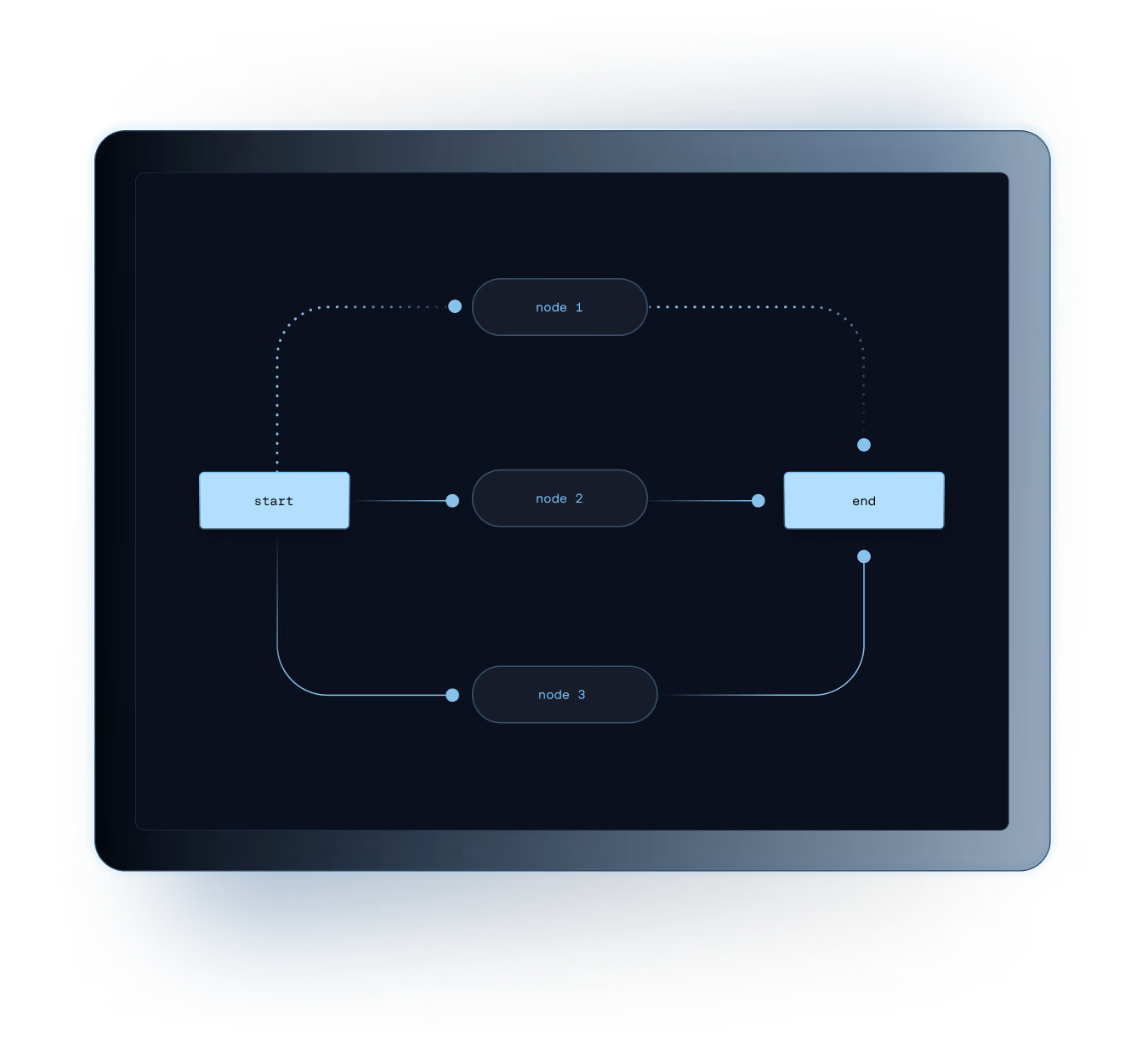
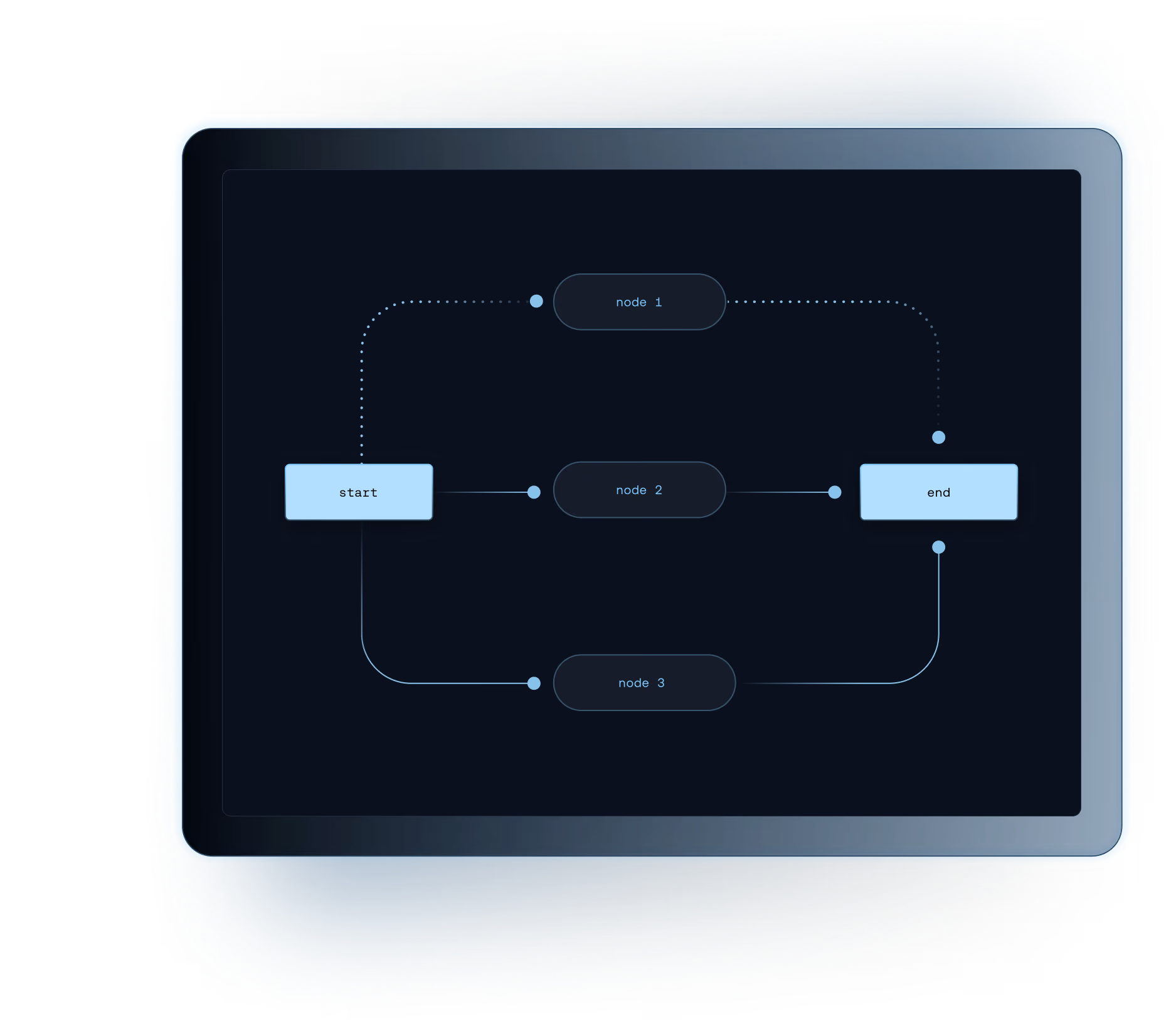
LangGraph is the runtime for custom agent workflows. It uses a graph-based model backed by a durable engine, with human-in-the-loop control, fault tolerance, streaming, persistence, and observability at every step. Use LangGraph when your agent doesn’t fit a standard loop, or when you need to combine deterministic and agentic steps in the same workflow.
Use LangGraph when you need to:
- Mix deterministic steps with agentic behavior
- Add custom approvals, interrupts, retries, and fault tolerance
- Model complex state transitions directly
- Build multi-agent systems with explicit coordination
- Control how every step of the agent runs
Learn with LangChain Academy
Build from first principles with free courses from LangChain Academy.
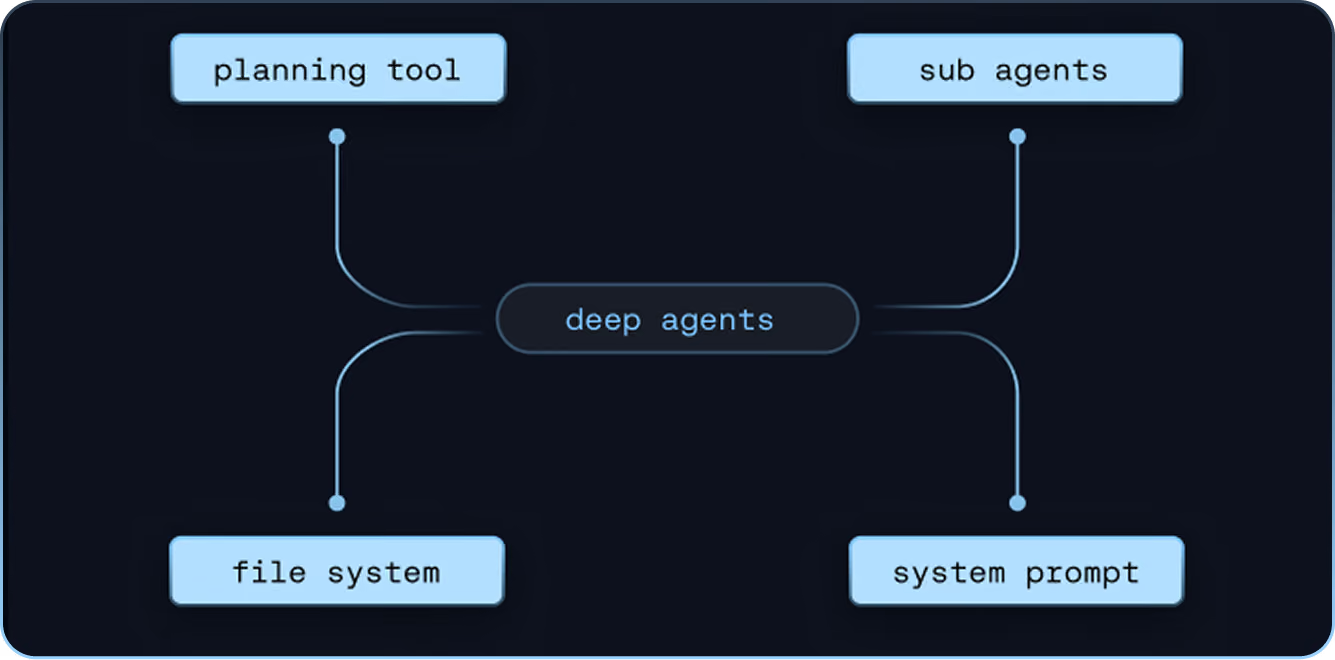
Foundation: Introduction to Deep Agents
Learn how to build long-running agents for complex workflows.
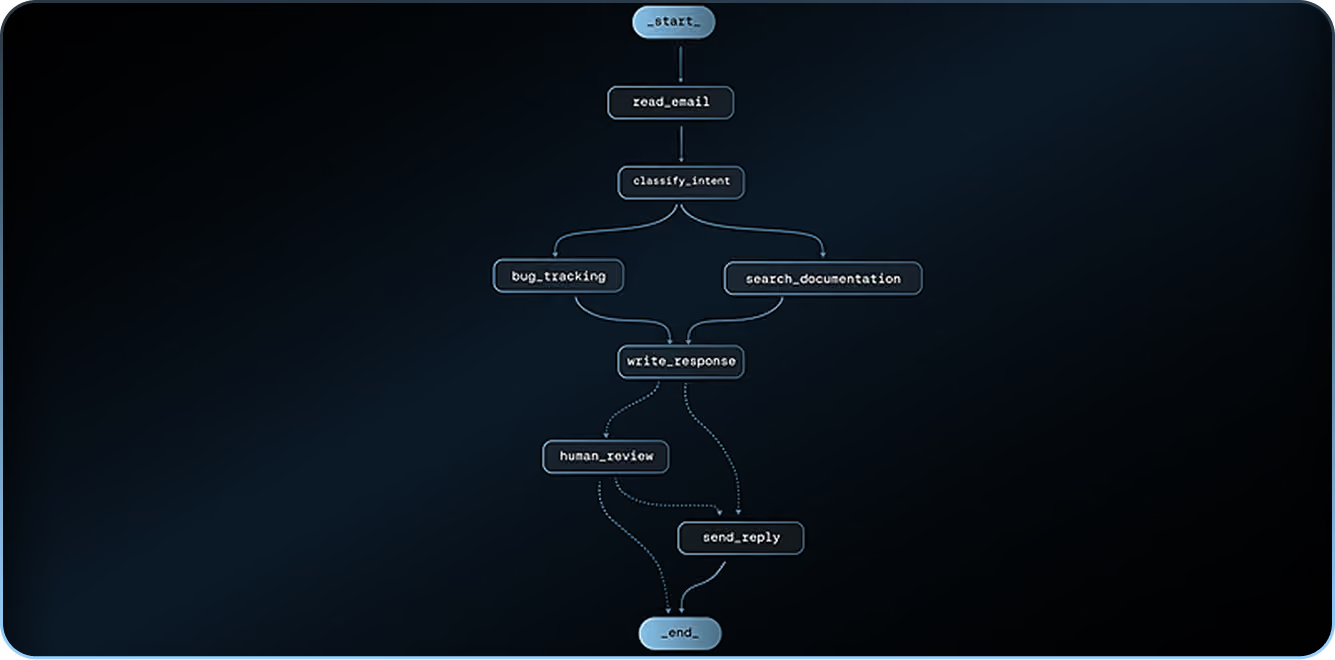
Quickstart: LangGraph Essentials - Python
Learn the essential components of LangGraph — including State, Nodes, Edges, and Memory.
Foundation: Introduction to LangChain - Python
Learn how to build agents with pre-built architectures and model integrations.
Improve agents in production with LangSmith
LangSmith gives teams the systems to manage the full agent development lifecycle. Connect Deep Agents, LangChain, or LangGraph to LangSmith to trace agent behavior, test changes, monitor regressions, manage deployments, and apply governance controls.
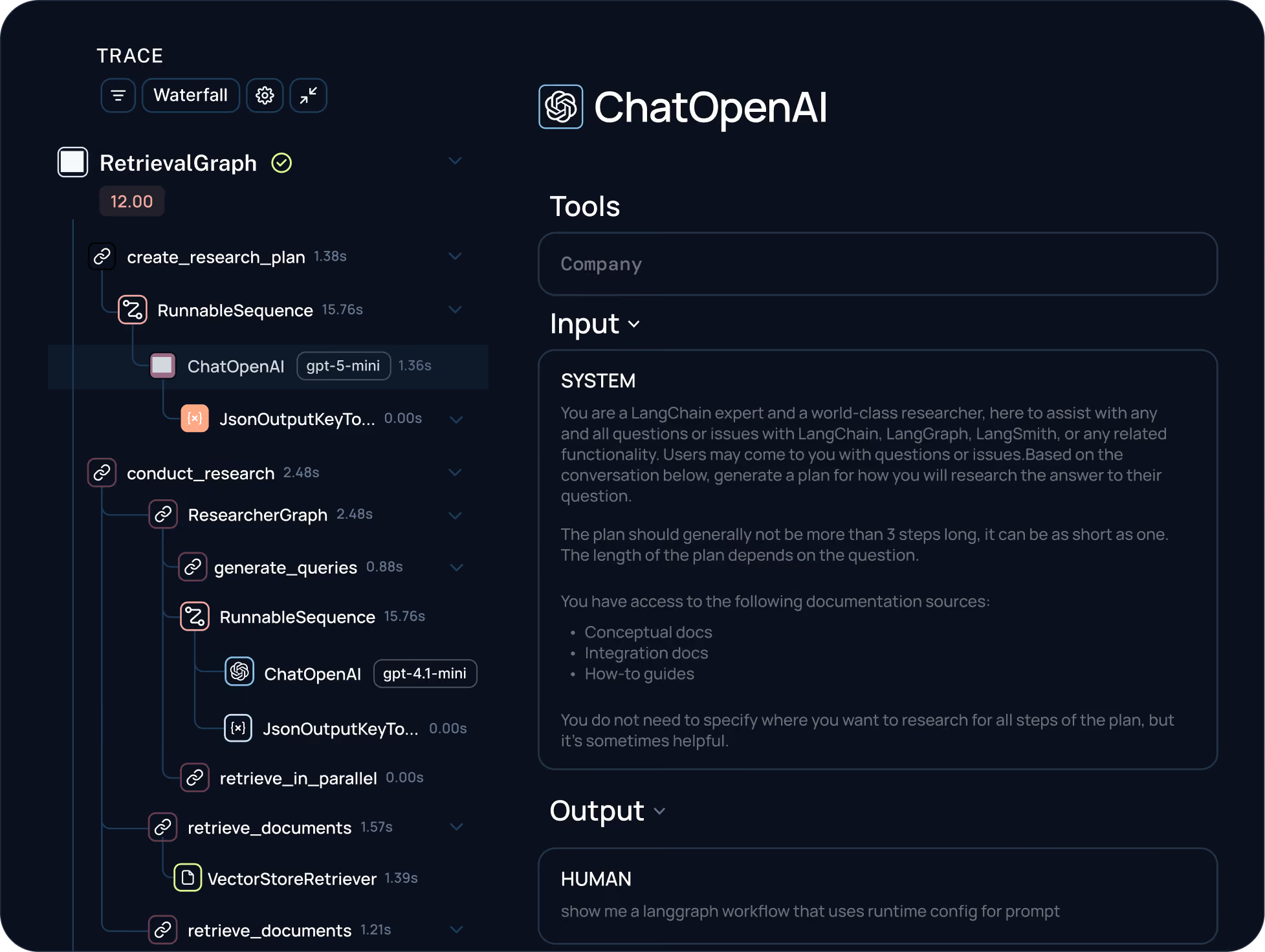

Trace every model call, tool call, prompt, error, and run
Evaluate on real agent behavior
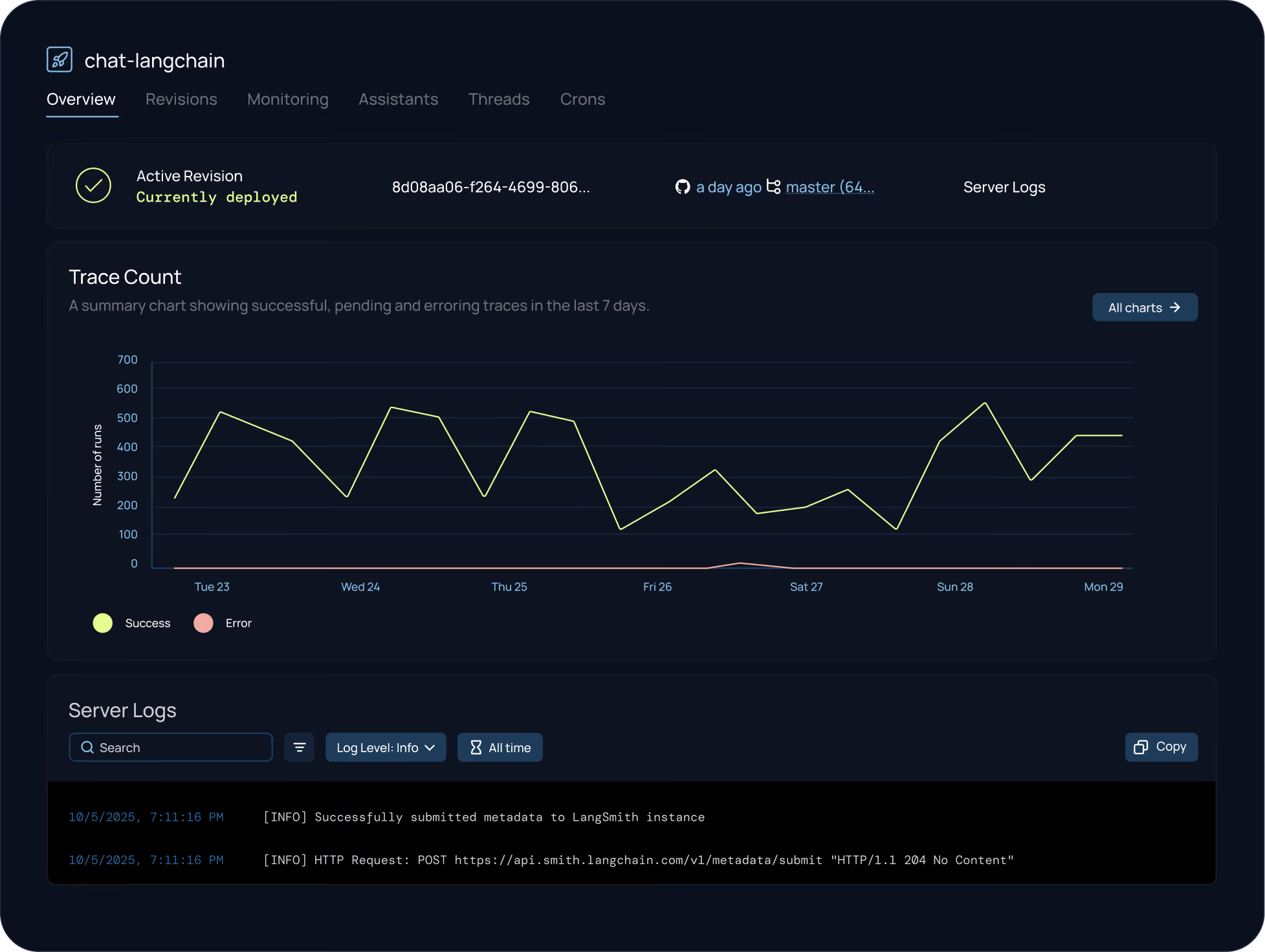
Monitor cost, latency, errors, and quality
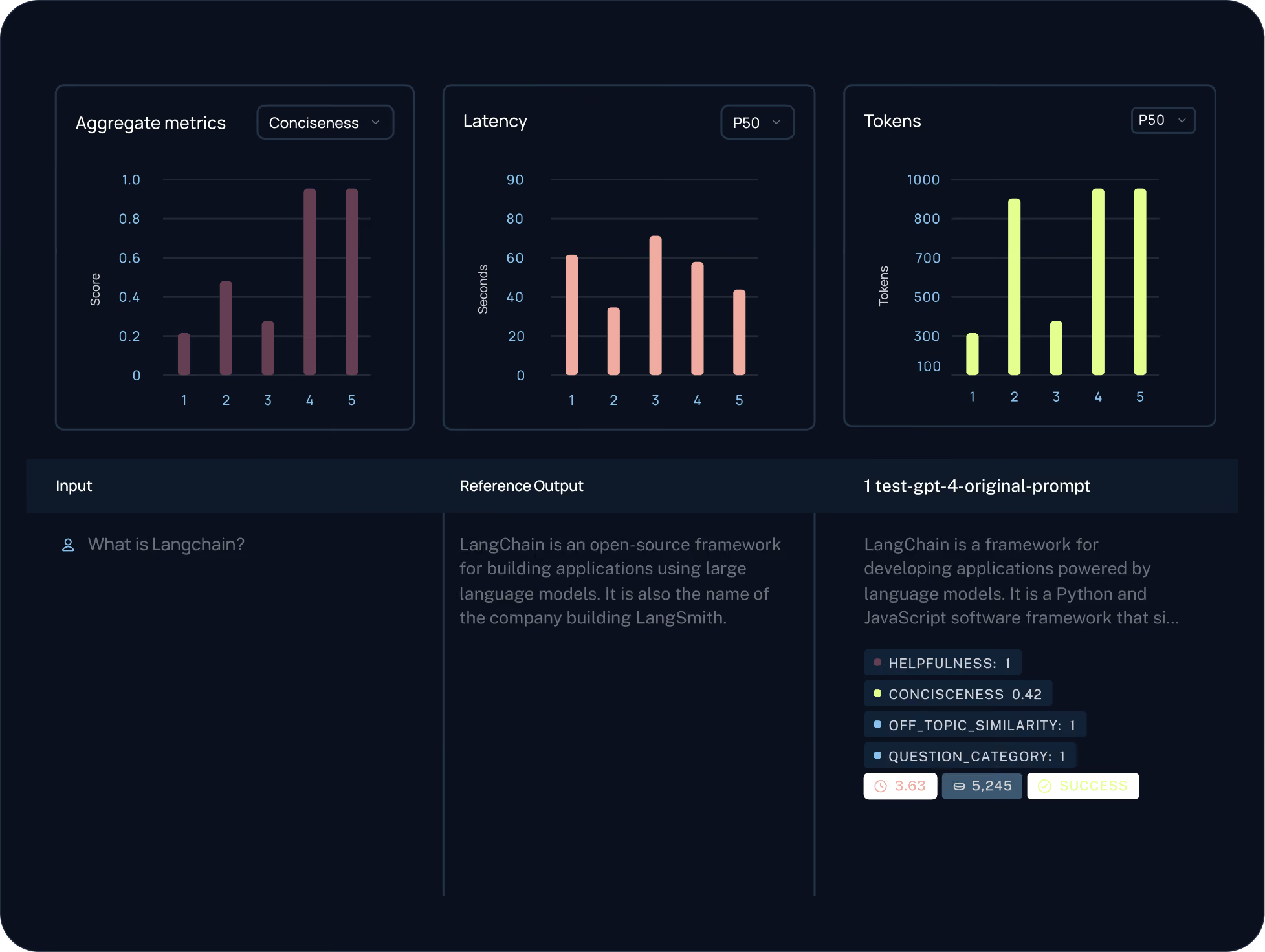
Deploy agents on managed infrastructure
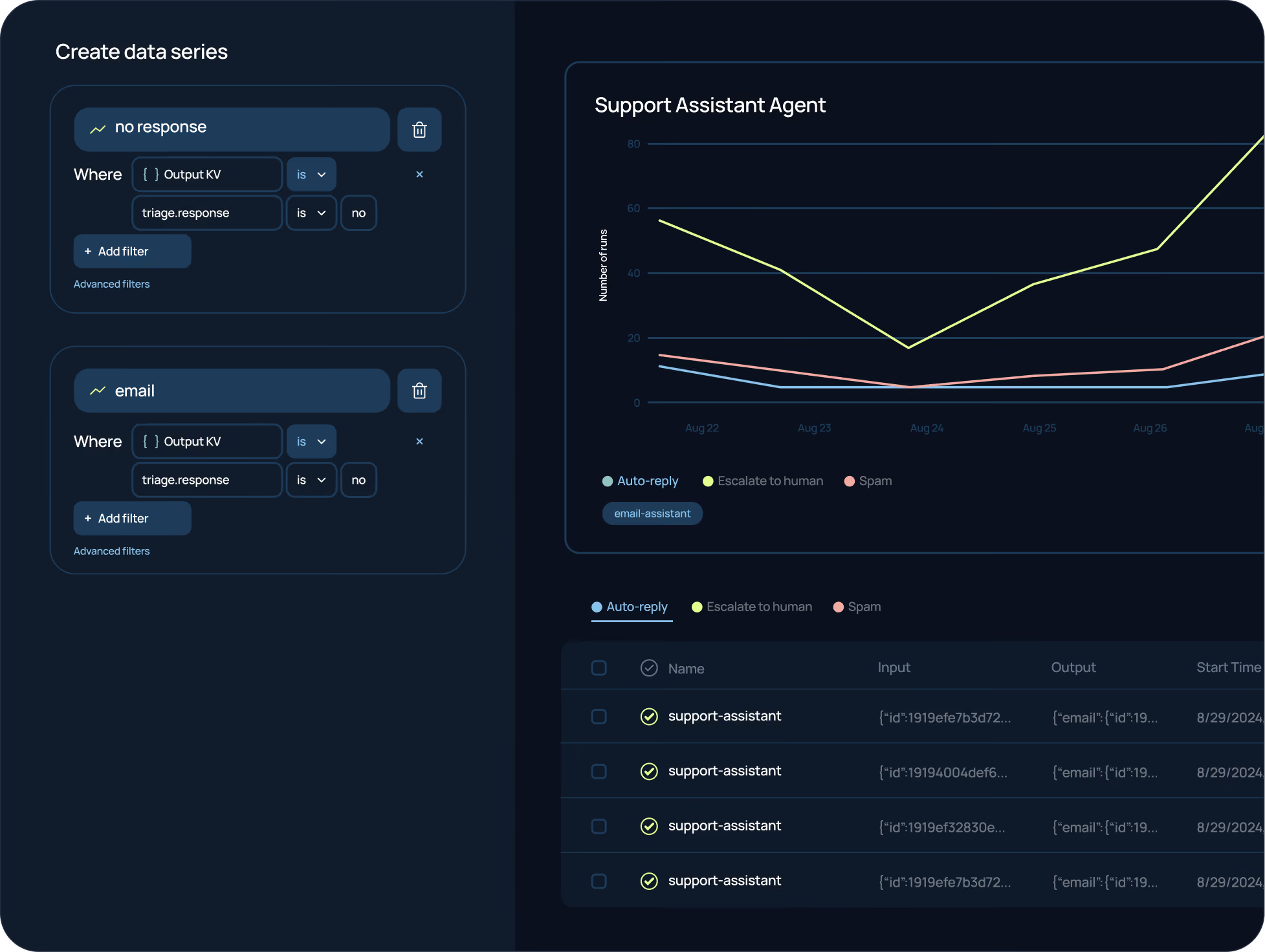
Govern token spend, rate routing, and sensitive data
Trace every model call, tool call, prompt, error, and run
Start shipping better agents today
Get started with LangSmith, the platform for the full agent development lifecycle